Living in Sydney, especially in older suburbs where the homes have loads of character, you’ve probably noticed a lot of places look beautifully updated on the outside, but the wiring behind the walls isn’t so easy to see. It’s kind of like renovating your kitchen but leaving the old, creaky plumbing in place. Everything looks modern, but the infrastructure is still stuck decades in the past. That’s why electricians Sydney handle professional oven installation, bathroom exhaust installation, or routine RCD testing to keep your home safe, functional, and up to date.
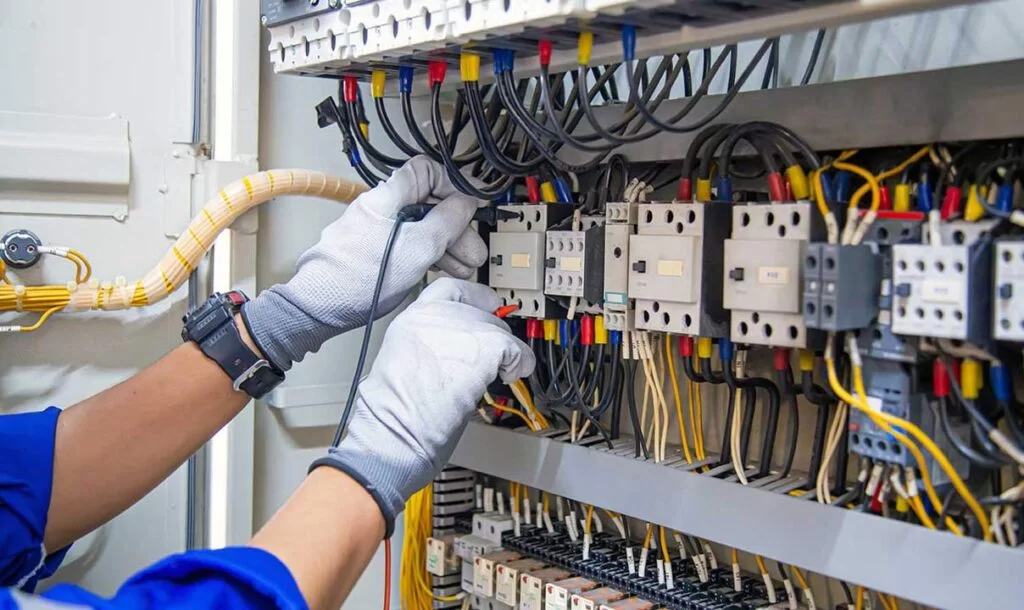
Your electrical panel or switchboard is the command centre for your home’s entire electrical system. When it works, you barely think about it. When problems develop, they typically show up as subtle warning signs. And rather than waiting for something far more costly to fail, it’s best to identify these indicators early on. If you’ve ever wondered, “Do I actually need to upgrade this?” Here are five indications that should move you toward a yes.
1. Your Safety Switches Trip More Often Than They Should
A tripped safety switch here and there is normal. But when it keeps occurring regularly, and nothing is visibly exploding, it’s usually a hint that your panel’s trying to handle more than it can manage.
Modern homes in Sydney rely on a ton of high-powered appliances:
- Air fryers
- Large fridges
- Heating/cooling units
- Induction cooktops
- Entertainment systems
- Plus, the list of kitchen upgrades keeps expanding, particularly for Sydney ovens that are more powerful
If your panel wasn’t designed for today’s power needs, it can get overloaded quite fast.
Age also plays a role here. Some older safety switches aren’t as fast or sensitive as the modern ones. That’s where RCD testing is quite important; it checks whether your safety switches respond when they’re supposed to. If they fail the test or if your switchboard doesn’t have the right RCD protection at all, call an emergency electrician Sydney, that’s a clear sign your electrical panel needs a closer look.
2. Your Home Still Has Ceramic Fuses
Seeing ceramic fuses in your switchboard is a clear sign your home’s electrical system is from another era. Modern RCDs prevent faults before they happen, while old ceramic fuses only react after something goes wrong. Older boards often show heat damage or brittle wiring, making them less safe. They also struggle with today’s higher appliance demands, meaning your panel may already be at its limit.
3. Lights Flickering or Dimming When Appliances Turn On
You know that moment when someone turns on the microwave and the lights dip for a second? Or you run the kettle, and the lighting gets a little moody? That’s one of the most common signs your electrical panel is struggling with load distribution. This is quite common in older terrace houses, homes with only partially updated wiring, and properties where new appliances were added without checking the electrical capacity.
If you’ve upgraded your kitchen recently, such as adding a dishwasher or installing a more power-hungry oven, this issue becomes even more noticeable. Many modern ovens need a dedicated circuit, and an older panel simply wasn’t built for that kind of demand. So if your lights are flickering an unusual amount, it’s worth investigating.
4. You’re Adding New Appliances or Renovating
Renovations are exciting, but they’re also when electrical problems come out of hiding. The moment you start adding extra appliances or fixtures, your switchboard suddenly faces a whole new level of responsibility.
Renovation projects that commonly require a panel upgrade include:
- Bathroom makeovers
- Full kitchen renovations
- Room extensions
- Outdoor entertaining areas
- EV charger installations
- Ceiling fan installation Sydney
Even small upgrades can have a surprisingly big electrical impact. For example, many people think that installing a bathroom exhaust fan is simple, but modern fans need their own wiring or a circuit check. Add in heated mirrors, underfloor heating, or upgraded lighting to the mix, and suddenly your old panel has to handle more than it was built for.
5. Your Electrical Panel Is More Than 20–25 Years Old
Electrical panels age just like the rest of your home. Once they’re around 20–25 years old, they can start to become less reliable. Problems might not show up all at once, but small issues often begin to appear. Signs of an old panel include breakers that feel warm or loose, buzzing or crackling sounds, visible rust, crowded circuits, and breakers that trip for no obvious reason.
Modern safety features like surge protection, reliable RCDs, appropriate grounding, and space for additional circuits are also missing from older panels. If you’ve made changes to your home like adding a deck, a home office, or bigger appliances, your electrical panel may not be keeping up. Upgrading it ensures that your house can take additional power without surprises when you need it most, which goes beyond safety.
Why Upgrading Matters
A modern switchboard does so much more than just “turn the power off when something’s wrong.” It actively protects:
- Your loved ones
- Your home
- Your appliances
- All those renovation upgrades you invested in
You also get practical benefits:
- Fewer power interruptions
- More stable circuits
- Better compatibility with new appliances
- Compliance with Sydney electrical standards
- Peace of mind (which honestly feels priceless)
And keeping up with RCD testing ensures your home can react instantly if something goes wrong. It’s the kind of upgrade you hardly notice every day, but you’d really miss it if it weren’t there.
Final Takeaway
Your home’s electrical panel isn’t something that gets much attention, but it’s one of the most important. And like anything that works behind the scenes, it gives you small clues when it’s time for an upgrade.
If you’re dealing with flickering lights, frequent trips, old ceramic fuses, or you’re planning renovations involving new installations, it’s worth checking in on your switchboard. Upgrading your electrical panel helps keep your home safe, efficient, and prepared for new appliances and improvements.